About this project

AUTORA VAZ is a textile research project born in Montevideo, Uruguay, in 2022.

Our work starts with a question: what garments and ways of producing make sense to propose from this territory and at this moment? We develop pieces from consciousness and identity, designed to spark necessary conversations and reflections, while responding to the specific conditions in which they are made.

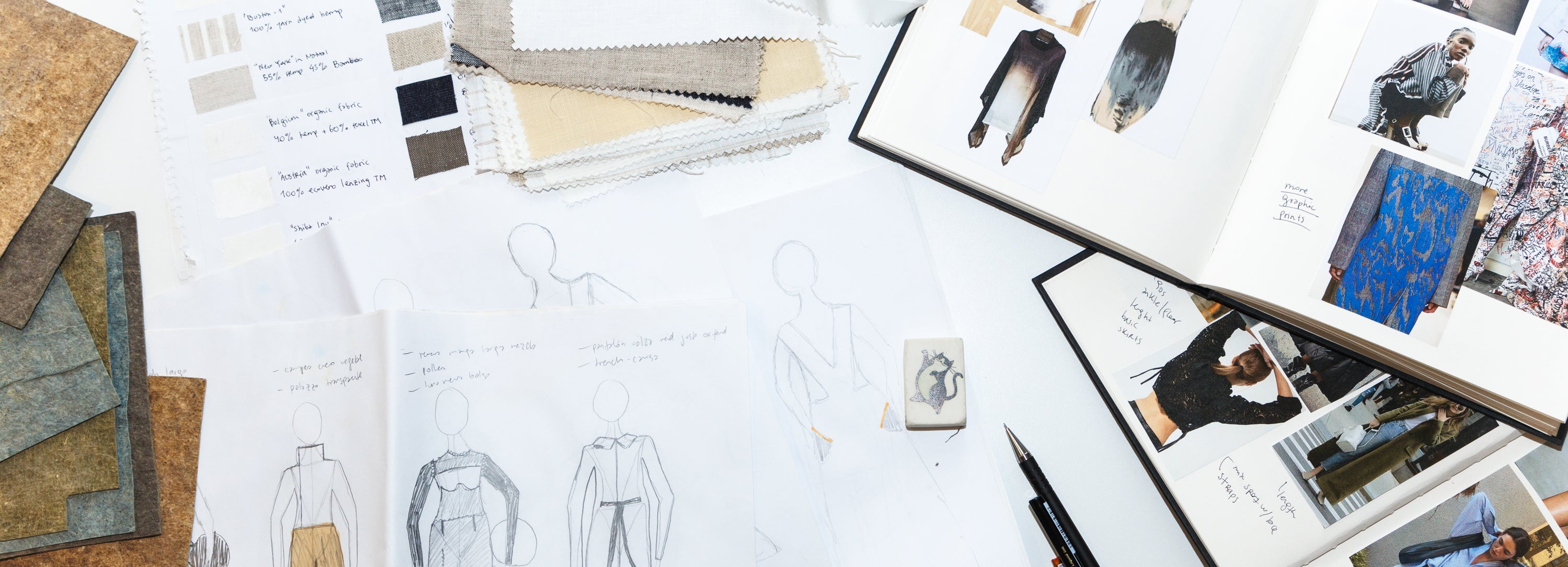
We operate as a laboratory for techniques, materials, and ways of producing, in constant dialogue between art and fashion.

Anti-Speciesist

Everything we use in our garments is plant-based, without exception. We research biomaterials and other natural alternatives to replace animal-derived raw materials.

Biodegradable

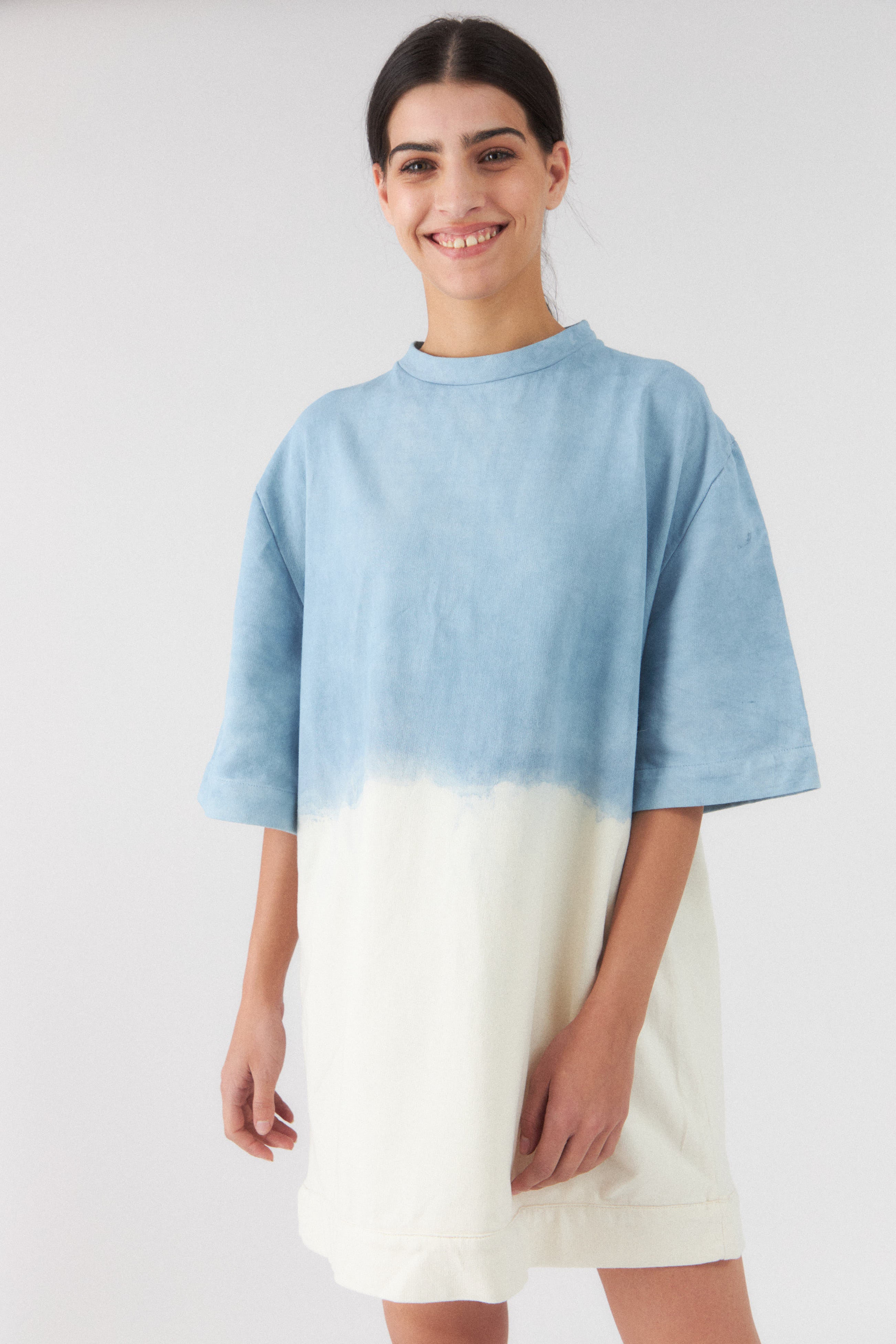
Our pieces are designed to be biodegradable. We work with natural and organic fibers and use construction details such as corozo buttons, latex and cotton elastics, and fabric ties instead of zippers, snaps, or metal buckles. We use natural dyes, making each piece a unique creation.

Regenerative

We opt for low-impact fibers produced responsibly, such as hemp and ECOVERO™. This year, we incorporated deadstock from the luxury industry. We value the knowledge and crafts involved in garment production. The fabrics we work with are woven under fair working conditions, and we make our pieces by hand in collaboration with independent seamstresses and women-led workshops in Montevideo.

Collection 27

We expose the construction of the garments, bringing seams, pockets, and other structural elements to the surface.
We introduce drawstrings, elastic, buttons, and closures with ties; the body wearing the piece has the final say, it takes part in its creation.

Authorship is built among those who take part in each stage of the process, from the source of inspiration to wearer. Things are not given: they are built through long processes shaped by multiple decisions. We can speak through our choices.

Petrona Viera and the Uruguayan Landscape

In search of a Uruguayan visual language for the female body, we turned to the landscape. In the archive of Petrona Viera’s work, one of the first Uruguayan women to gain recognition as an artist, we found some clues.

Her work incorporates the landscape, rhythms and everyday scenes of this place, the colours seen daily at this latitude. It is a way of making the surroundings one’s own: painting what we see and perhaps wearing it, too.

In her interpretation of European Planism, transformed into a distinctive visual language of her own, we searched for our colour palette. Looking at a territory, recognising its particularities and recording them is one of the possible gestures through which an identity can be inscribed.